
Romantic Getaway Curonian Spit
The Curonian Spit, where you can fall in love at the edge of the world…
treat yourself and travel more often!
The Curonian Spit is neither a Nordic fantasy hero, nor a new Latvian dessert, nor a miracle diet.
It is far better than any of those things. Imagine a ribbon of fine sand nestled between the Baltic Sea on one side and a peaceful lagoon on the other. A wild and unspoilt place, listed as a UNESCO World Heritage Site, where time seems to stand still among shifting dunes, fragrant pine forests and fishing villages.
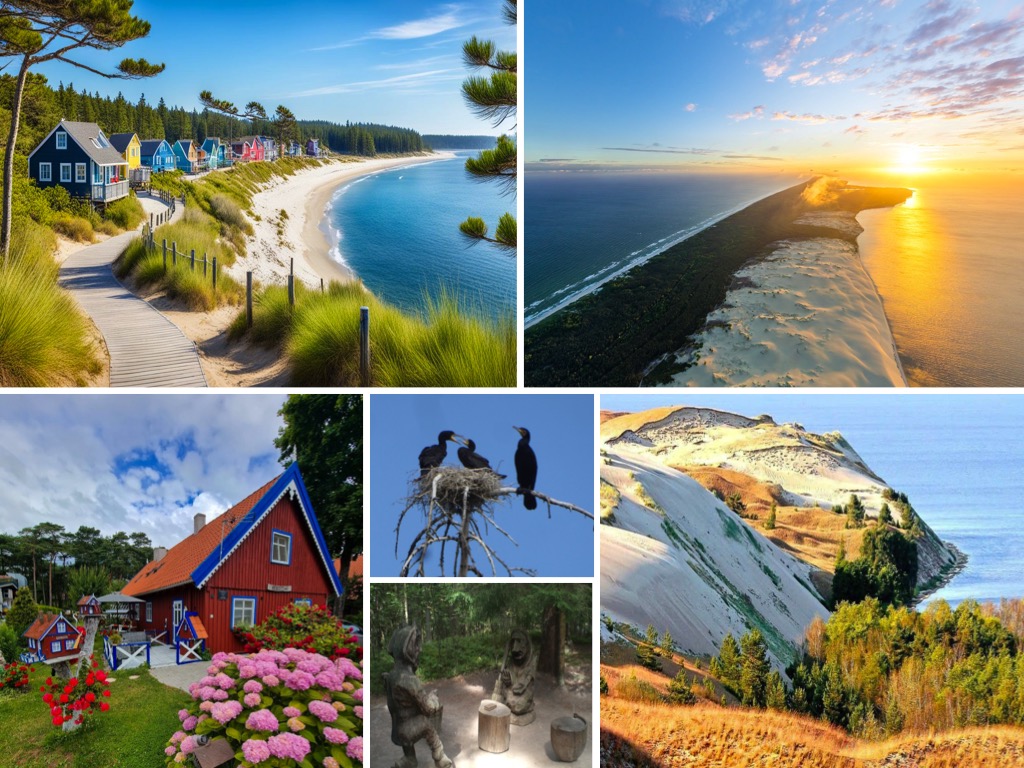
Would you like to slow down, breathe and reconnect as a couple?
The Curonian Spit is the perfect stop, often discovered as part of a wider journey through Lithuania, starting from Vilnius, Latvia, via Riga, or even further north in Estonia, from Tallinn. Three capitals, and at the heart of it all, a wild and romantic ribbon of sand.
With Go-CityBreak, let yourself be swept away by this gentle adventure: cycling through the pines, watching the sun set over the Baltic, sharing a spa bath or simply enjoying the silence beside the lagoon. Here, you can forget the bustle of everyday life and savour what truly matters.
A rare luxury, with the taste of salt and freedom.
A little history...
This place is so special that it deserves a little more explanation than the other destinations featured on Go-Citybreak.love.
The Curonian Spit is a narrow sand spit known in French as the Isthme de Courlande or flèche Curonienne.
The Lithuanian section of this sandy strip of land is 50 kilometres long, while the entire spit, including the Russian section, extends for 98 kilometres. It measures 3.8 kilometres at its widest point and just 400 metres at its narrowest, and is divided between Lithuania and Russia.
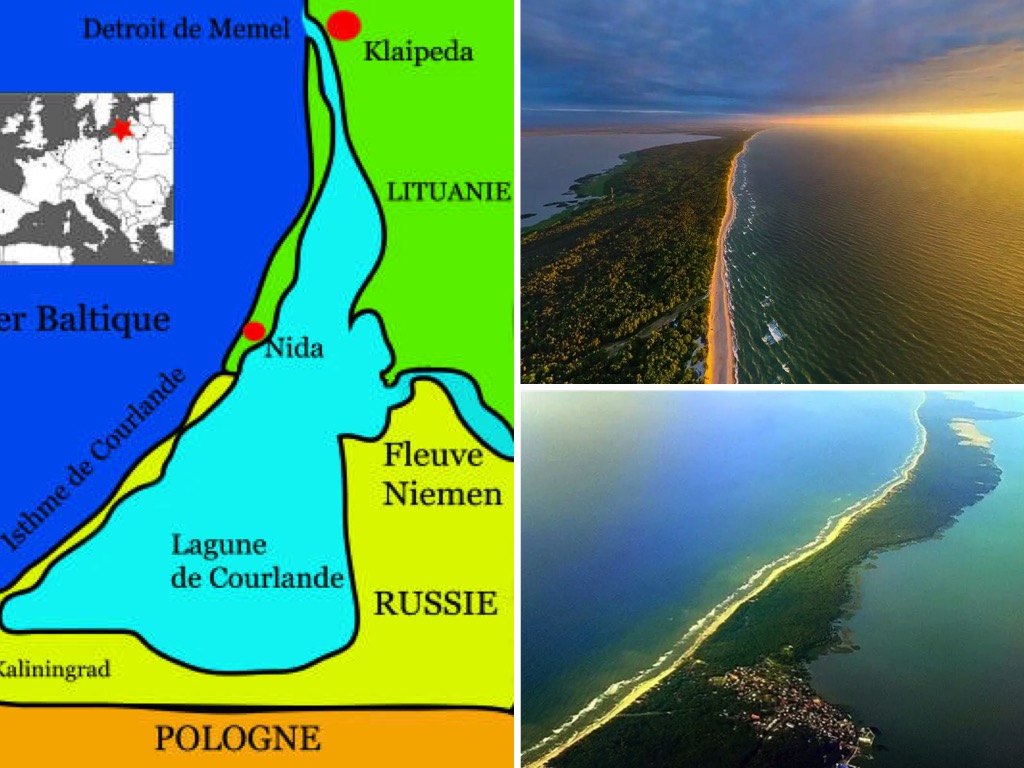
Human occupation of this strip of land dates back to prehistoric times. Ever since, it has been constantly threatened by natural forces, including wind and tides, as well as by human activity.
Human activity was also one of the reasons why the Curonian Spit was added to the UNESCO World Heritage List in 2000. This magnificent strip of land owes its continued preservation to the tireless efforts of local people to combat erosion, notably through ongoing stabilisation and reforestation projects.
When should you visit the Curonian Spit for a romantic getaway?
The ideal time? For a romantic escape, aim for late spring, in May or June, or early autumn, in September.
In May and June, nature bursts into life, the days are long, there are few tourists and temperatures are mild.
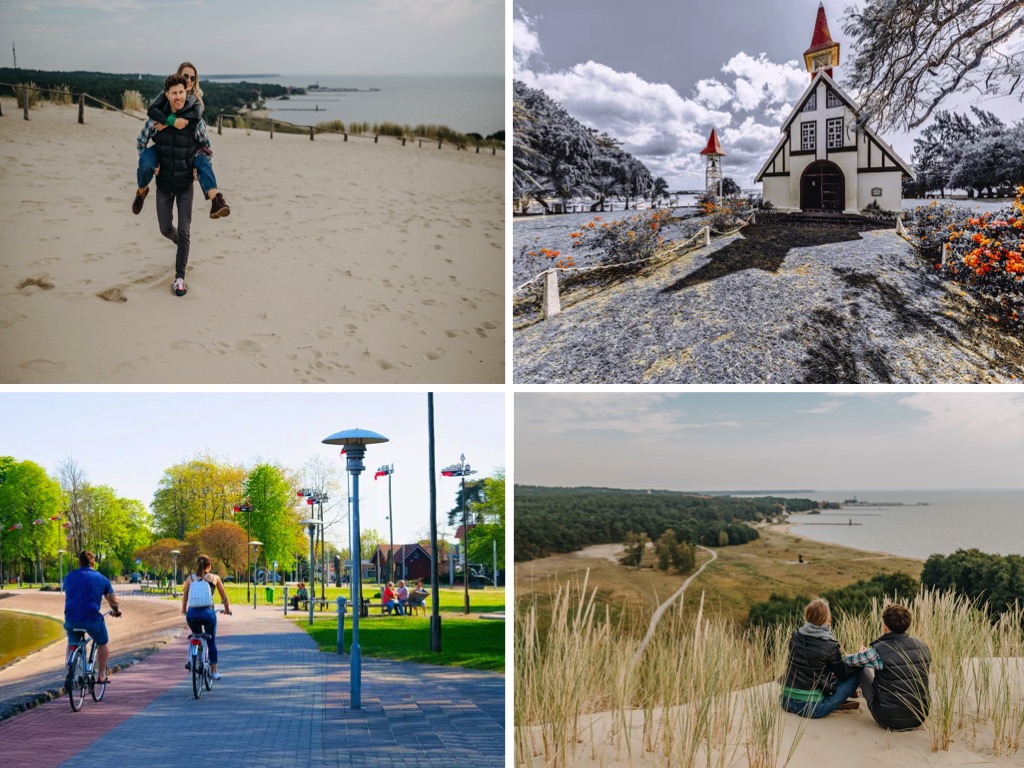
In September, the atmosphere is quieter, golden colours enhance the beauty of the dunes and the weather is still mild enough for walks along the coast. We visited at the end of September ourselves, and it was perfect.
Summer, in July and August, can also be delightful, especially if you enjoy a lively seaside atmosphere, but it is the busiest and most expensive time of year.
How do you get to the Curonian Spit?
To reach Klaipėda from France or elsewhere in Europe, the most convenient airports are Vilnius and Kaunas in Lithuania, or Riga in Latvia. All three cities are well served by direct and connecting flights, with affordable options often available through low-cost airlines.
By road, the easiest and fastest car-free connection is the Lux Express bus between Riga and Klaipėda, which takes approximately 5 hours and 10 minutes. The buses are comfortable, with Wi-Fi, power sockets and reclining seats, departures are frequent and the value for money is excellent. It is often the best option for travellers arriving in Latvia before continuing into Lithuania.
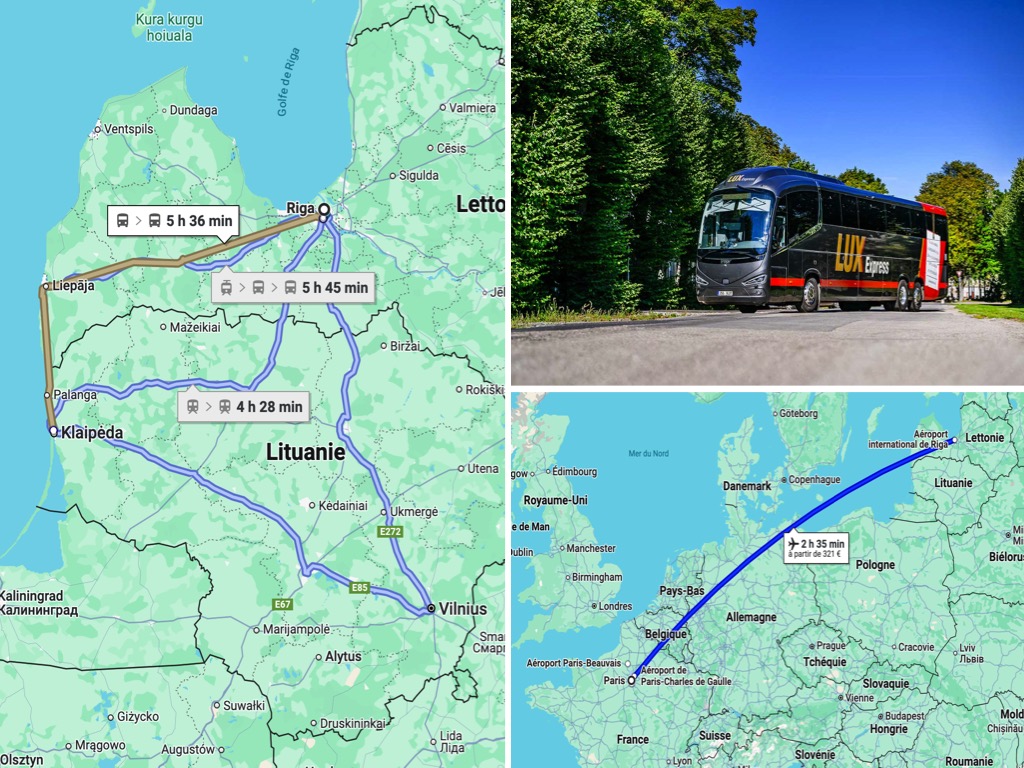
From Vilnius or Kaunas, you can also reach Klaipėda easily by bus or train. Allow approximately 4 hours to 4 hours and 15 minutes from Vilnius by FlixBus and 3 hours from Kaunas. Buses are generally more frequent, but trains can offer a pleasant alternative.
Once in Klaipėda, simply cross the lagoon by ferry. The crossing takes five minutes and brings you to Smiltynė, on the Curonian Spit. Local buses then serve the villages of Nida, Juodkrantė and other key locations along the spit. Depending on how you prefer to travel, you can also explore it by bicycle or with a rental car.
Where should you stay on the Curonian Spit for a romantic atmosphere?
Romance here cannot be bought at an extravagant price. It is found in the details: the silence of the pine trees, the golden light across the dunes and the cries of seagulls at dawn. You do not need a five-star hotel to create unforgettable memories. On the Curonian Spit, true luxury means having nature all to yourselves.
The two villages most highly recommended for a romantic stay are Nida and Juodkrantė.
Nida, the livelier of the two, is a former fishing village filled with colourful cottages and an artistic, bohemian atmosphere. Thomas Mann once had a holiday home here. You will find locally inspired guesthouses with wooden balconies, homemade breakfasts and views across the lagoon. Just a short walk away, white sand dunes await you for hand-in-hand strolls.
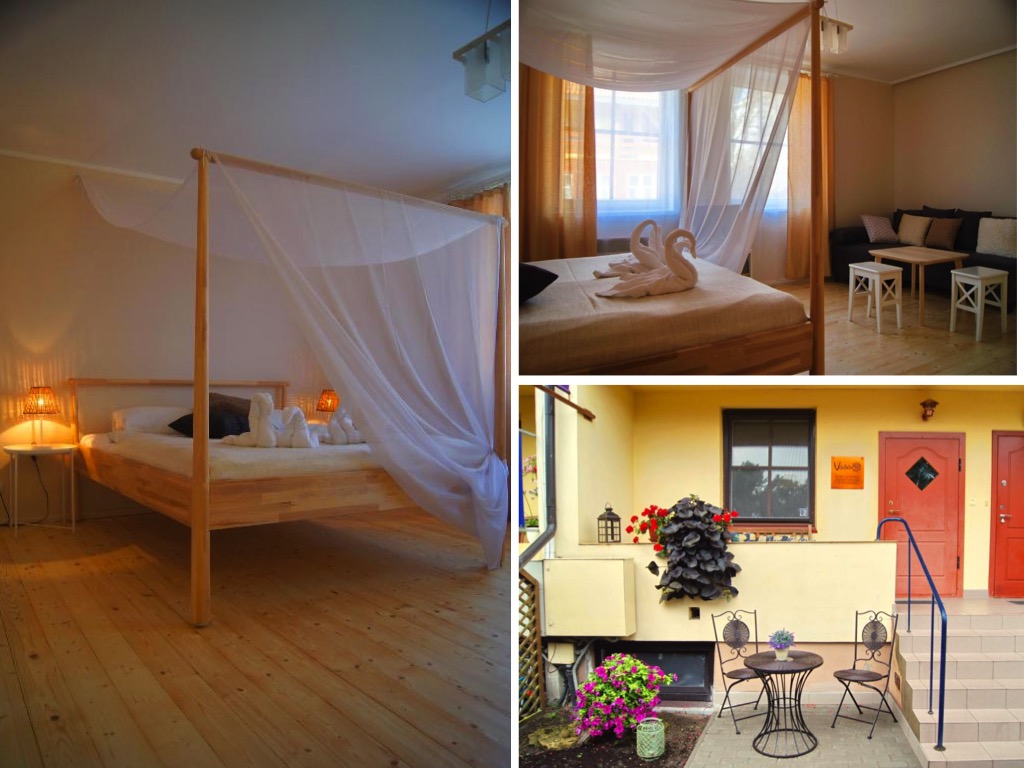
Juodkrantė is quieter and perfect if you are looking for a peaceful, contemplative atmosphere that feels almost suspended in time. Here, the magic of the pine forests and the tranquillity of the lagoon provide the setting. It is ideal for a romantic retreat far away from the rest of the world.
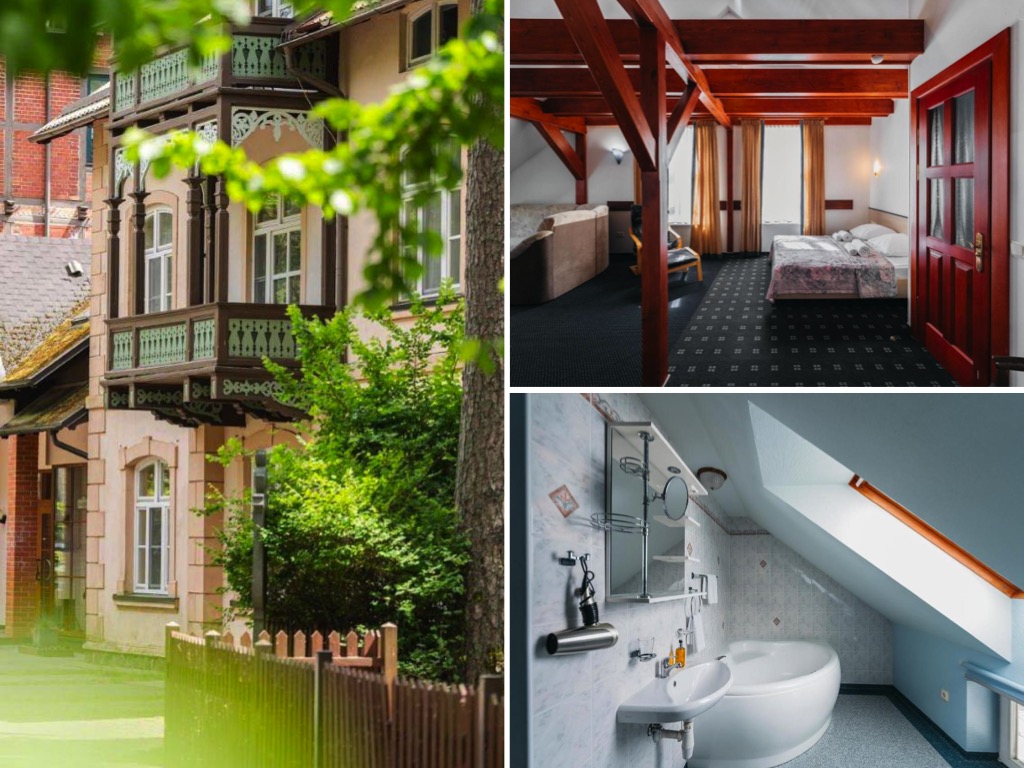
Some accommodation may not look particularly spectacular on paper, but offers that little something extra: an old cast-iron stove, bicycles available to borrow or a flower-filled garden where you can enjoy coffee in the sunshine. If you would like a little more comfort, several designer guesthouses and boutique hotels remain very affordable outside the high season, provided that you book early.
The true luxury, however, awaits outside. A picnic at the top of the Parnidis Dunes, a bike ride along a trail winding between the sea and the forest, or an impromptu dinner facing the sunset cost nothing and are worth more than all the fashionable rooftop bars in the world.
What romantic things can you do on the Curonian Spit?
With its narrow strip of land bordered by the Baltic Sea and the Curonian Lagoon, its shifting dunes, pine-scented forest trails, villages of colourful houses and timeless atmosphere, the Curonian Spit is a true concentration of romance. You could even call it an open-air museum of romance, where every corner invites contemplation, a slower pace and tender moments shared together.
Discover the secrets of the Curonian Spit with a local guide
Choosing a guided tour of the Curonian Spit with a local guide allows you to discover this unique site from an authentic and deeply enriching perspective.
The Curonian Spit, a UNESCO World Heritage Site, is filled with natural and cultural treasures that visitors often overlook. With their intimate knowledge of the region, a local guide can show you essential sights such as the majestic sand dunes, dense forests and charming fishing villages, while also sharing the stories, legends and traditions that bring these landscapes to life.
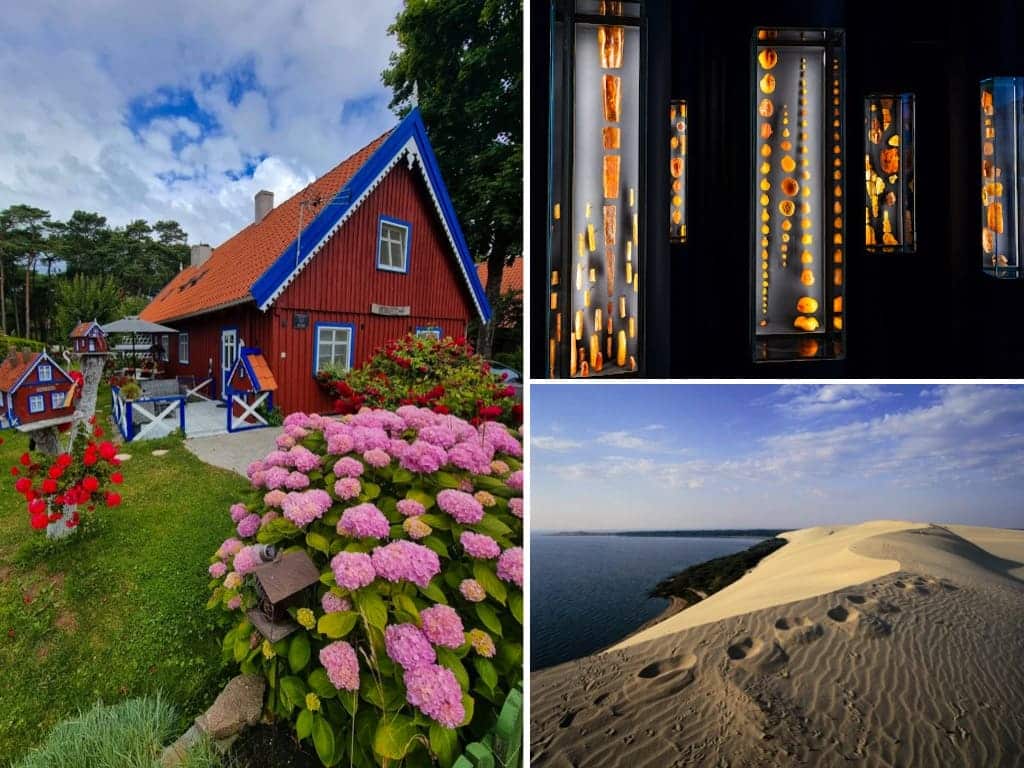
With a guide, you can explore places away from the usual tourist routes, understand the region’s ecological and historical importance, and appreciate the richness of its local wildlife and plant life.
A local guide can also tailor the tour to your personal interests, whether you are passionate about history, nature or culture. In short, choosing a local guide to discover the Curonian Spit will give you a deeper, more personal and memorable experience, allowing you to connect with the true soul of this remarkable region.
Discover the flavours of the Curonian Spit
On the Curonian Spit, the food reflects the landscape: simple, authentic and infused with the scents of the sea and the forest. You do not come here for grand Michelin-starred restaurants, but for the honesty of the food, the freshness of the ingredients and the almost timeless atmosphere of the small inns beside the lagoon. Here, food is enjoyed slowly, on a terrace overlooking the water, inside a fisherman’s hut or beside a traditional smokehouse.
The undisputed star is smoked fish, often prepared outdoors in traditional smokehouses, easily recognised by the woody aroma drifting through the villages. The scent of burning alder and drying fish is an essential part of the sensory experience of the spit. Eel, pike-perch, perch, mullet or halibut may be available depending on the season, the day’s catch and the smokehouse owner’s mood.
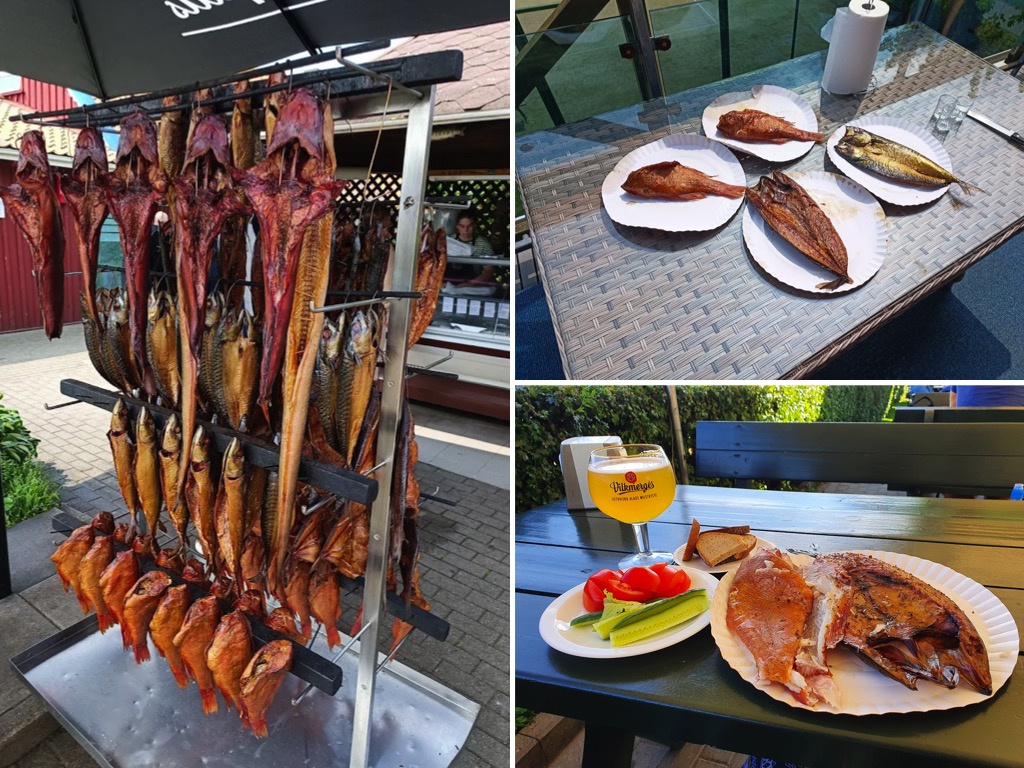
On the Curonian Spit, the food reflects the landscape: simple, authentic and infused with the scents of the sea and the forest. You do not come here for grand Michelin-starred restaurants, but for the honesty of the food, the freshness of the ingredients and the almost timeless atmosphere of the small inns beside the lagoon. Here, food is enjoyed slowly, on a terrace overlooking the water, inside a fisherman’s hut or beside a traditional smokehouse.
The undisputed star is smoked fish, often prepared outdoors in traditional smokehouses, easily recognised by the woody aroma drifting through the villages. The scent of burning alder and drying fish is an essential part of the sensory experience of the spit. Eel, pike-perch, perch, mullet or halibut may be available depending on the season, the day’s catch and the smokehouse owner’s mood.

Above all, however, it is the setting of the restaurants that makes eating here so special. In Nida, several establishments combine understated charm with an intimate atmosphere: small terraces overlooking the lagoon and wood-panelled interiors illuminated by soft lamps, where you can enjoy dinner together in peaceful silence. Despite their simplicity, some restaurants radiate a rare warmth, with attentive service, linen tablecloths and bouquets of wildflowers on the tables.
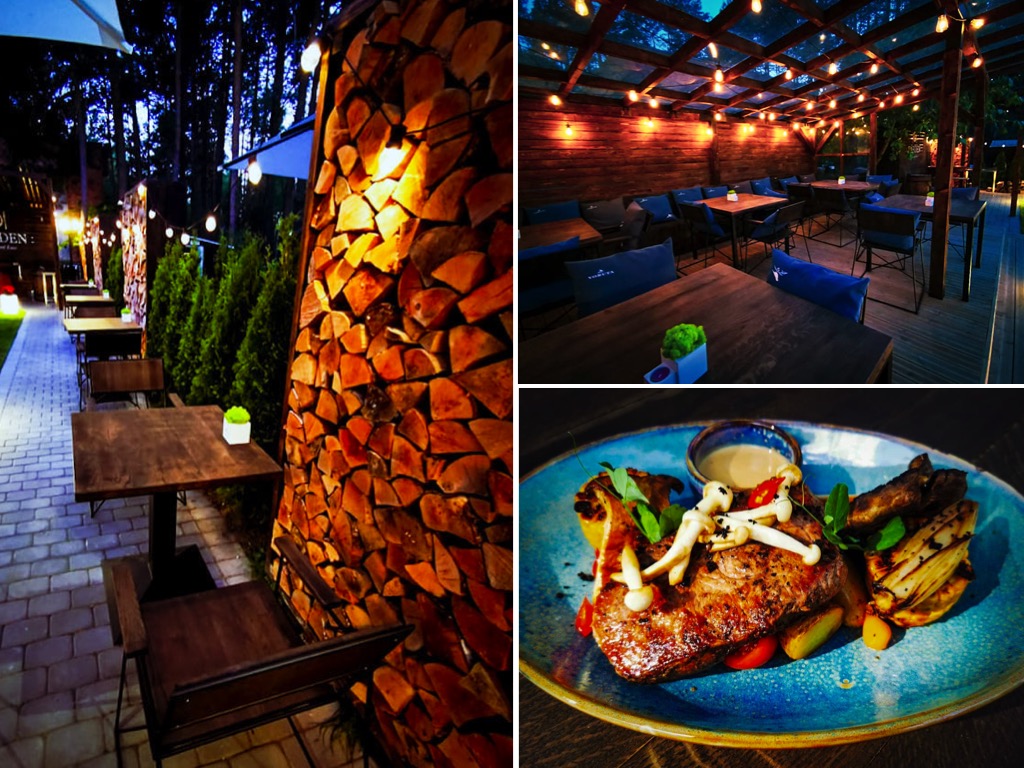
For romantic picnic lovers, nothing beats a basket filled with fresh bread, smoked fish and a little local wine or mead, enjoyed on the beach at sunset.
If you choose to discover the Curonian Spit without a local guide, here are the essential places to see for a combination of nature, culture and local charm.
Do not miss Nida, the jewel of the region, with its Great Parnidis Dune, colourful fishermen’s houses, museums dedicated to Thomas Mann and amber, and peaceful atmosphere. Further north, Juodkrantė charms visitors with its Hill of Witches, wooden sculptures, promenade along the lagoon and colony of cormorants. Between the two, the villages of Preila and Pervalka offer a timeless interlude with their miniature harbours, traditional houses and gentle way of life, perfect for a romantic or contemplative break beside the lagoon.
Together, these four villages provide a harmonious overview of everything that makes the Curonian Spit so unique: unspoilt nature, local culture and absolute serenity.
What should you see and do in Nida?
Visitors interested in religious heritage can explore the village’s two churches: the old Protestant church and the modern Catholic church, each providing a different perspective on the spiritual history of the region.
For nature lovers, the Parnidis Dune is unmissable. A short but spectacular hike leads to the summit, where an impressive sundial stands. The panorama across the lagoon, the Baltic Sea and the dead dunes is simply unforgettable, especially at sunset, when the sky and water glow with magical colours.
Visitors interested in religious heritage can explore the village’s two churches: the old Protestant church and the modern Catholic church, each providing a different perspective on the spiritual history of the region.
For nature lovers, the Parnidis Dune is unmissable. A short but spectacular hike leads to the summit, where an impressive sundial stands. The panorama across the lagoon, the Baltic Sea and the dead dunes is simply unforgettable, especially at sunset, when the sky and water glow with magical colours.
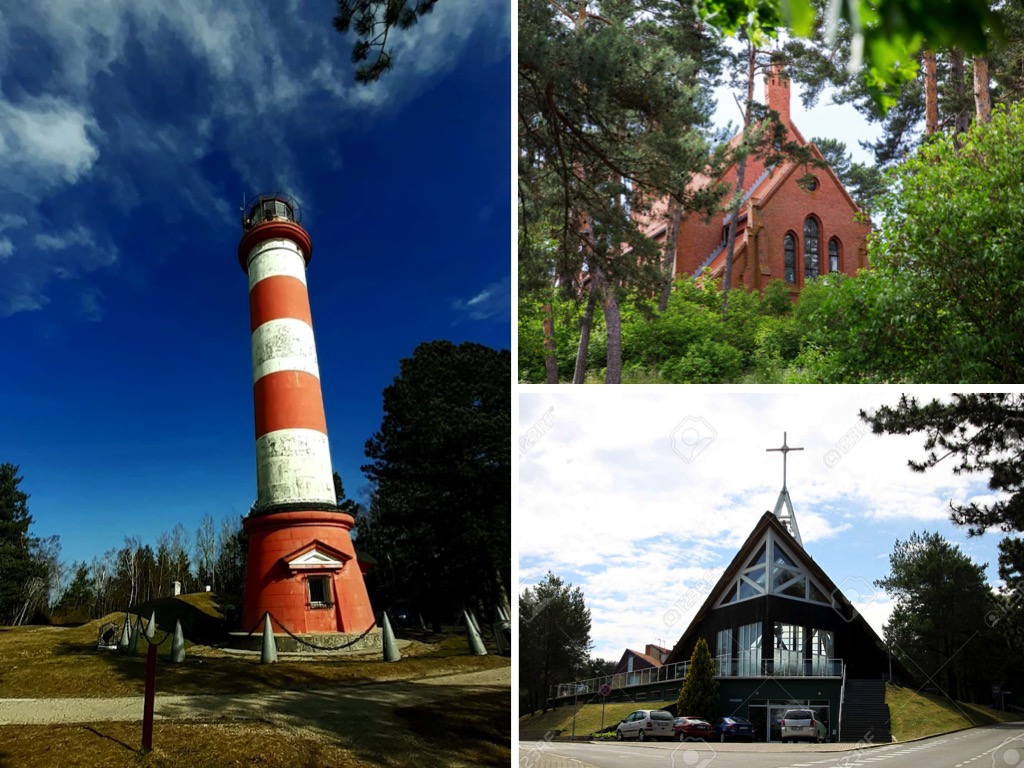
The Nida Lighthouse, visible from afar thanks to its striped silhouette, can also be approached on a peaceful walk through the pine forest. In the evening, do not miss a night-time stroll through the village, when calm descends and the street lamps cast a gentle light over lanes lined with vegetation.
At any time of day, Nida charms visitors with its balance of nature, culture and tranquillity. It is a place to experience as much as to visit.
What should you see and do in Juodkrantė?
Juodkrantė charms visitors with its understated atmosphere and wild beauty. Set between the forest and the lagoon, this peaceful village offers an experience that is artistic, natural and contemplative all at once.
Its most iconic attraction is the Hill of Witches, or Raganų Kalnas, where a forest trail leads you past more than 80 wooden sculptures inspired by Lithuanian folklore.
Nearby, you can continue your exploration along the dendrological trail, an immersive loop through the pine forest that showcases the local biodiversity and leads to several lesser-known points of interest.
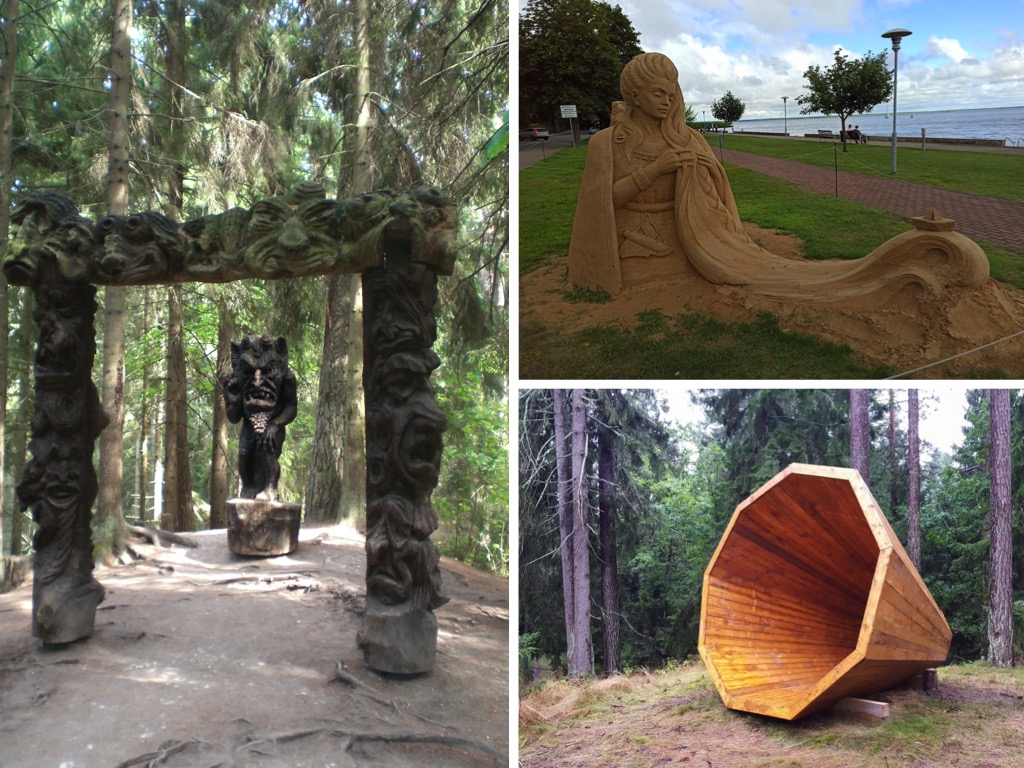
Along this trail, you will find a wooden sound catcher shaped like a gramophone and installed in the middle of nature. It captures and amplifies the rustling wind, birdsong and trembling trees, creating a unique and almost meditative sensory experience. This artistic and sensory installation reflects the contemplative spirit of the Curonian Spit.
Further into the village or beside the beach, an area is sometimes devoted to temporary sand sculptures during the summer. Although ephemeral, these fascinating and often monumental works attract attention through their detail and creativity.
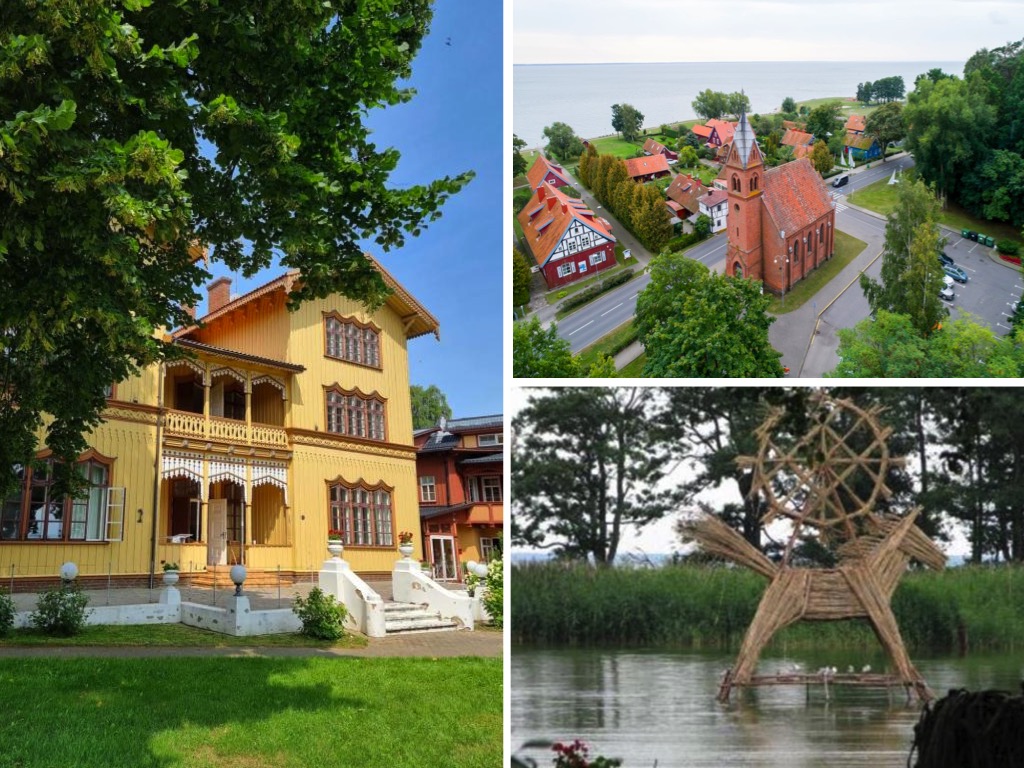
The vast and peaceful Juodkrantė Beach is ideal for relaxing and swimming, and is far less crowded than the beach in Nida. It can easily be reached on foot along paths through the forest. For nature lovers, a walk beside the lagoon is essential, particularly to observe the famous colony of cormorants and herons, perched in a ghostly forest of bare pine trees.
Juodkrantė offers a rare combination: a gentle immersion in the imagination, unspoilt nature and open-air art. It is a place to explore slowly, to the rhythm of the wind in the trees and the sand beneath your feet.
What should you see and do in Preila and Pervalka?
Preila and Pervalka are two small fishing villages nestled between the lagoon and the forest, on the narrowest and most peaceful part of the Curonian Spit. Everything here invites you to slow down: there are no crowds, very little traffic, only sandy paths, colourful houses and nature all around you.
In Preila, you can wander around the small harbour lined with traditional boats, linger on the wooden jetties to watch the light change across the lagoon and follow the cycling and walking trails through the pine forest. The atmosphere is gentle and timeless. You can climb to the Preila Dunes viewpoint, which offers a superb panorama across both sides of the spit, towards the sea and the lagoon.
A few kilometres further north, Pervalka is even smaller, with an almost secret charm. Its tiny harbour, red-and-white striped lighthouse standing on a small island and flower-lined summer paths give it the appearance of a picture postcard. It is also a good starting point for walks towards the dunes or the sea along quiet wooded trails.
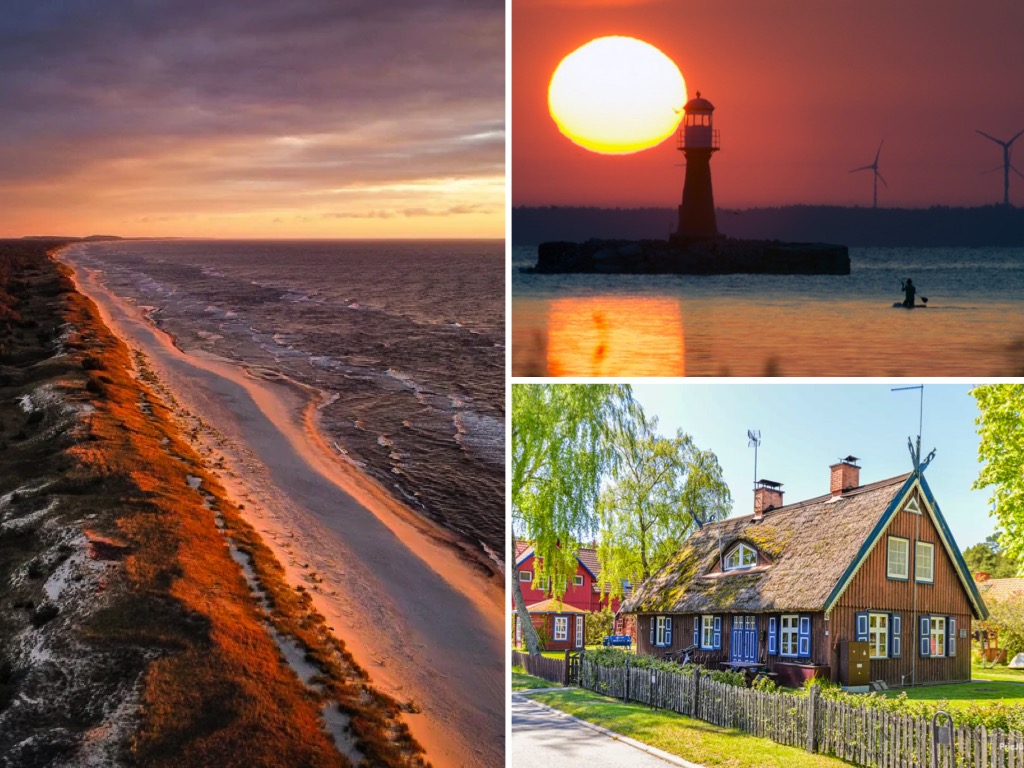
Between Preila and Pervalka, a beautiful walking or cycling route connects the two villages beside the Karvaičiai Dunes, where a former village lies buried beneath the sand. The path crosses sandy landscapes dotted with twisted pines and offers spectacular views across the lagoon. Both contemplative and wild, this route is ideal for couples seeking solitude and raw natural beauty.
These two villages provide the perfect escape for anyone looking for authenticity, a slower pace and an intimate immersion in the unique spirit of the Curonian Spit.
Amber, the romantic gold of the Curonian Spit
On the Curonian Spit, amber is far more than a simple geological treasure. It is said to radiate a uniquely romantic energy. Used since ancient times in romantic crystal-healing rituals, amber is believed to strengthen emotional bonds and bring harmony to a couple’s feelings.
In Juodkrantė, home to Amber Bay, the story of this “Baltic gold” is deeply rooted in the daily lives of fishermen and amber hunters, who once explored the shore in search of these fragments of eternity. After a storm, couples can also go hunting for pieces of amber washed up on the beaches, turning the search into a symbolic and poetic experience shared together.
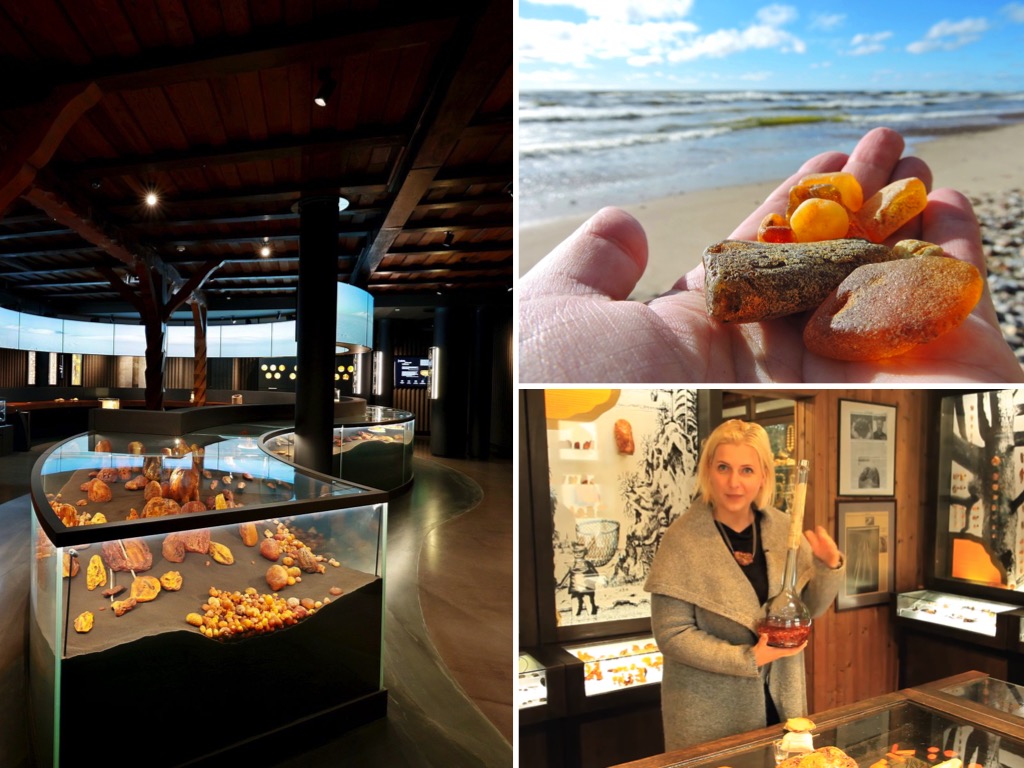
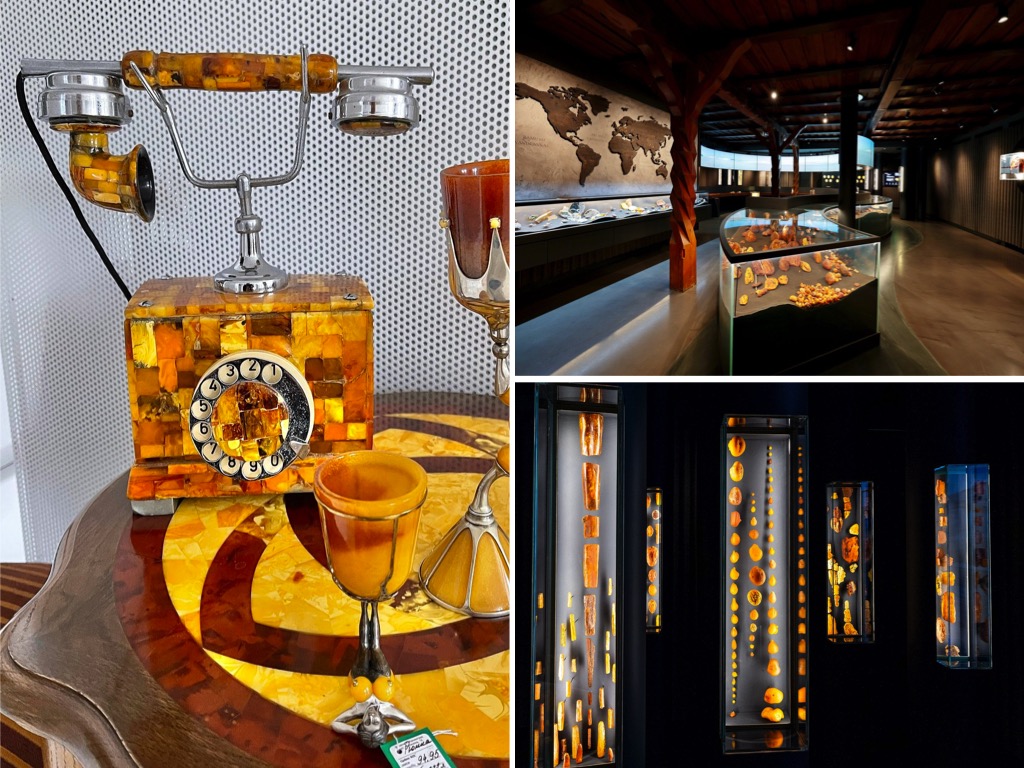
In Nida, the Mizgiris Museum offers a sensory immersion in the world of amber, with workshops where couples can create a unique and meaningful piece of souvenir jewellery together. To complete the experience, try the mysterious “amber drink”, a local concoction made using fossilised resin that is reputed to be energising and even aphrodisiac.
If amber fascinates you, do not miss the impressive Palanga Amber Museum, home to one of the richest collections in the world. For couples looking for a tailor-made experience, our private tour of Palanga can include an in-depth visit to the museum, combining history, art and romance.
Explore nature at a beautifully slow pace
The Curonian Spit is a paradise for hiking lovers, whether you explore it on foot or by bicycle. There are no dizzying peaks or technical trails here, but rather a complete immersion in a sensitive and ever-changing natural environment, where forests, dunes, lagoons and the sea respond to one another around every corner. This is a land to explore slowly, following sandy paths and forest trails amid the rustling wind and the fragrance of pine trees.
On foot: among dunes, forests and legends
Walking across the spit allows you to experience the landscape at close range. The Parnidis Dune, south of Nida, is unmissable. This miniature desert sculpted by the wind offers a spectacular circular walk through golden sand, with sweeping views over the lagoon. A trail leads to the famous granite sundial at the top of the dune, where breathtaking views await at sunset.
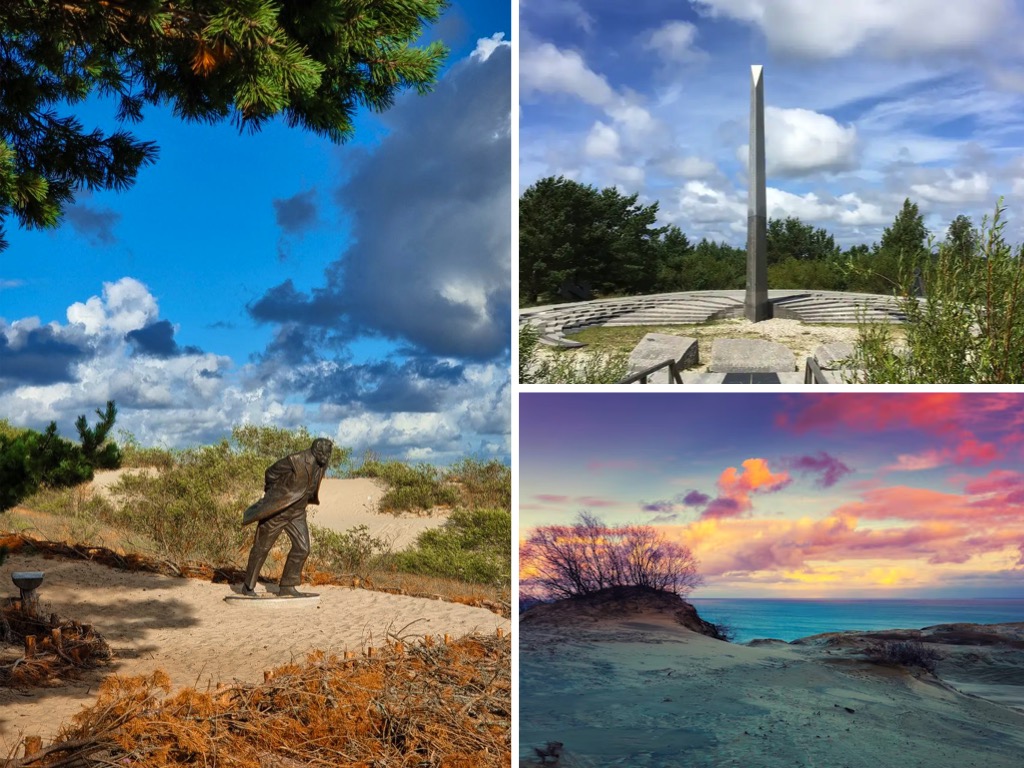
Further north, other paths cross pine forests or follow the calm shores of the lagoon, providing peaceful walks in the shade. Between Nida and Preila, small paths alternate between clearings, coves and secret viewpoints.
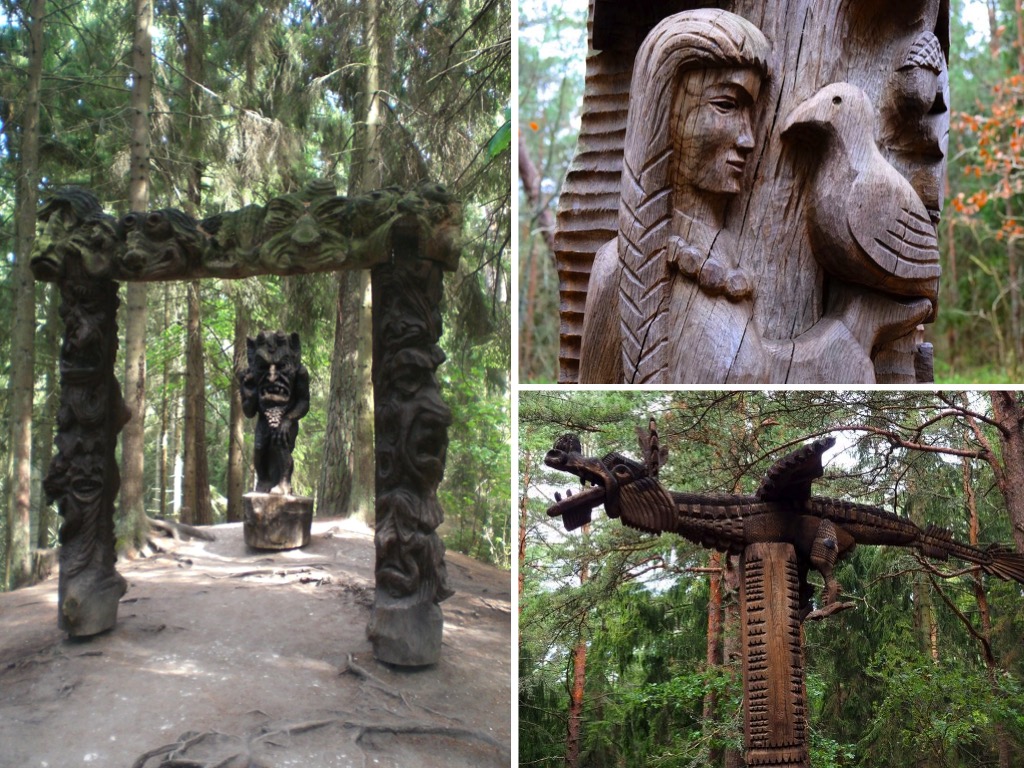
In Juodkrantė, the Hill of Witches offers a surprising and enchanting walk. The trail winds across a wooded hill where more than 80 wooden sculptures depict myths and creatures from Lithuanian folklore. Part contemplative and part fantastical, it is perfect for anyone who enjoys unusual walks.
For those drawn to more extreme places, there is also an area nicknamed Death Valley, a remnant of former Soviet military exercises. Arid and steeped in history, it reveals a different and more rugged side of the spit.
By bicycle: the realm of slow travel
The Curonian Spit is crossed from north to south by a continuous cycle route extending for more than 50 kilometres between Smiltynė and Nida. Well signposted and relatively flat, it alternates between asphalt sections and sandy but manageable forest trails. It is the ideal route for discovering the full diversity of the spit at your own pace, over two or three days if you take your time.
Road traffic is moderate and virtually non-existent between some villages. On the narrowest sections, cars and bicycles share the road, but distances are short and travellers remain vigilant. This makes the Curonian Spit a perfect destination for inexperienced cyclists, as well as families and lovers of leisurely cycle touring.
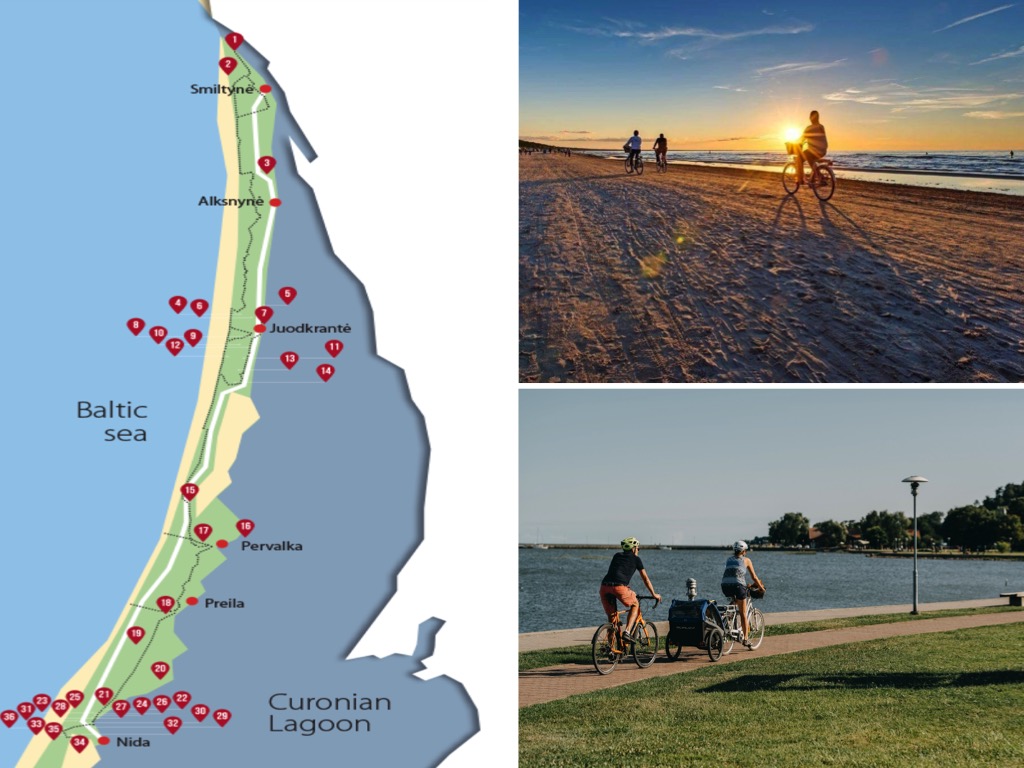
Along the way, several stops invite you to slow down: deserted beaches, birdwatching towers, small fishing harbours, discreet cafés and art galleries. Bicycle rental is available in Klaipėda, Smiltynė, Juodkrantė and Nida, making it possible to cycle one way before returning by ferry or bus.
On the Curonian Spit, walking or cycling is never merely a form of transport. It is a way to absorb and experience the landscape. Every turn reveals a new light, a distinctive silence or a poetic detail. Rather than kilometres, you accumulate sensory memories.
Perhaps the most romantic experience of all is spending the end of the day on the Parnidis Dunes, south of Nida. Here, golden light glides across the sand, pine trees form silhouettes along the horizon and, depending on your viewpoint, the sun appears to sink slowly into the sea or the lagoon. It is an almost unreal moment suspended in time, when the silence feels like a shared secret.
To keep the magic alive, enjoy dinner in a small local inn, a few glasses of mead or blackcurrant wine and perhaps an evening watching the stars from the beach, far away from any light pollution.
A narrow spit with an army of museums!
You might picture it as a wild place, swept by the wind, covered in pine trees and bordered by dunes. And that is true. What you may not expect is that such a narrow strip of land, only a few kilometres wide, contains an astonishing wealth of culture. Beyond the beaches and trails, the Curonian Spit is also a haven of art, memory and curiosities, where natural history meets literary heritage, local traditions and the strangest legends.
There are almost ten museums scattered between Klaipėda, Nida and the Russian villages in the southern section. This remarkable collection of intimate cultural sites, often housed inside former fishermen’s cottages or modernist buildings, tells the story and captures the soul of the spit.
In Klaipėda, the Lithuanian Sea Museum, housed in a former nineteenth-century fortress, provides a fascinating overview of the Baltic maritime world and also includes a dolphinarium.
In Klaipéda
In Klaipėda, just before taking the ferry to the Curonian Spit, the Lithuanian Sea Museum, housed in a former nineteenth-century fortress, offers an engaging introduction to the Baltic maritime world and includes a dolphinarium.
In Nida
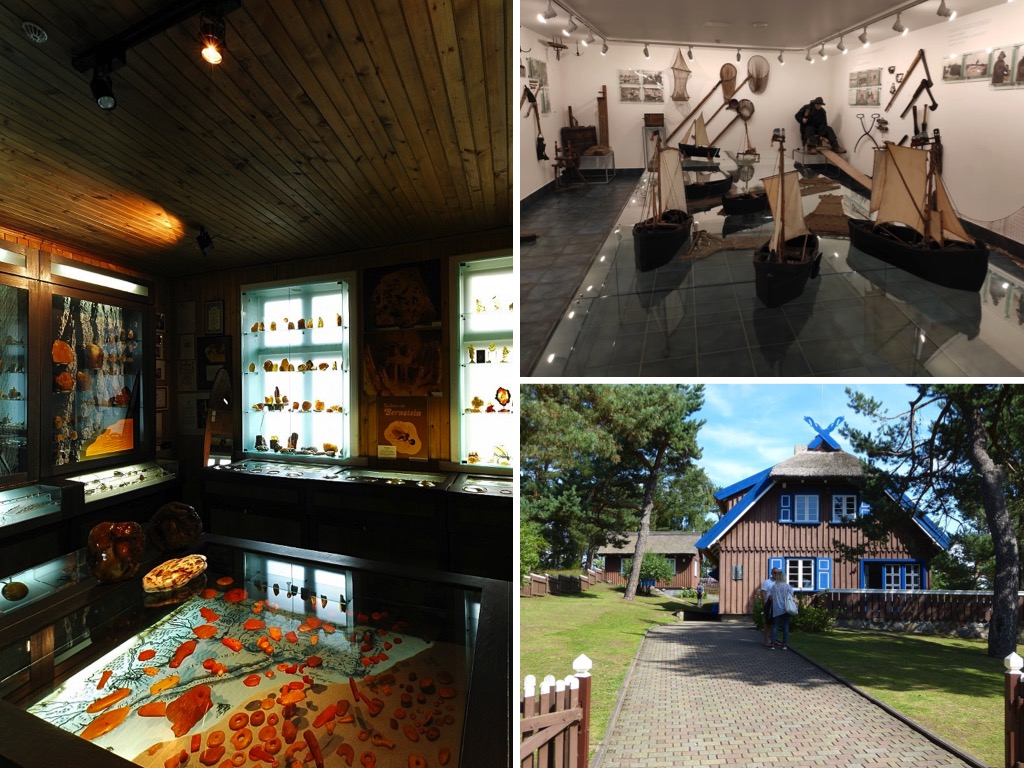
In Nida, local heritage takes on a poetic quality. The Thomas Mann House, perched above the lagoon, evokes the peaceful summers that the Nobel Prize-winning author spent here during the 1930s. The Curonian Spit History Museum, the Ethnographic Fisherman’s Homestead, the Amber Museum and the Herman Blode Museum, once an artists’ guesthouse, each reveal a different facet of the local past and imagination.
On the Russian side
On the other side of the border, in the Russian section of the spit, where access is more complicated and a passport and visa are required, other museums continue this immersion. These include a fascinating and unsettling Museum of Russian Superstitions and a natural history museum celebrating the national park’s unique biodiversity.
On the Curonian Spit, culture does not compete with nature. It accompanies, explains and honours it. Visiting a museum here often means extending a walk, sheltering from the sea breeze or simply enjoying a moment suspended in time while appreciating the intelligence of the place.
Watch the sun rise or set over the lagoon: a moment suspended in time
Some moments alone are worth an entire journey. On the Curonian Spit, watching the sun rise or set over the lagoon is one of those rare experiences, both simple and deeply moving, when time seems to stand still.
In the morning, while everything is still asleep, mist slowly rises from the lagoon and wraps the pine trees in a milky halo. Birds begin to stir, the silence is almost absolute and the soft, pearly light transforms the landscape into something resembling a print. It is the perfect moment for a barefoot walk across the still-cool sand with a cup of coffee in your hand, or simply to sit beside the water and let your thoughts drift away.
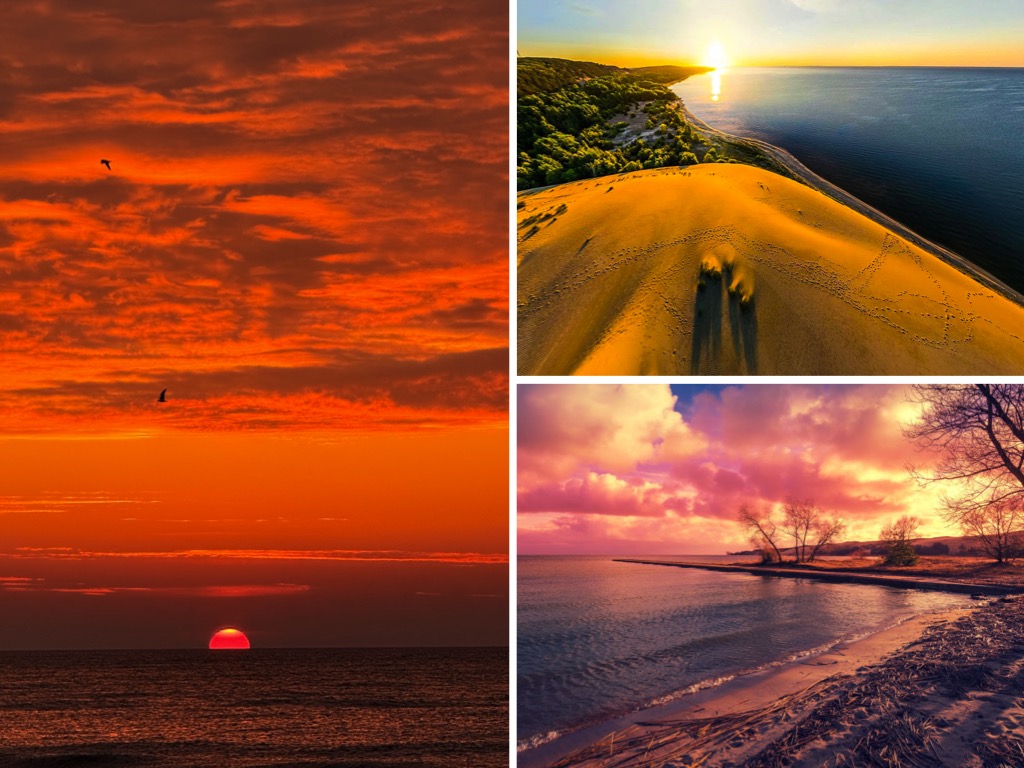
These are perfect moments to reconnect, celebrate your bond or simply feel that you belong right there, at the edge of the world. A sunset here is not spectacular in the Hollywood sense. It is intimate, almost shy, and that is precisely what makes it unforgettable.
Nida by night: an intimate evening walk not to be missed
Exploring Nida by night is like stepping into a picture postcard in which the noise of the world has been switched off, leaving only gentleness behind. Of course, do not expect a lively city illuminated like a capital. Once night falls, Nida remains true to itself: peaceful, intimate and softly lit. This is precisely what makes it such a special place for a romantic or contemplative evening walk.
There is not much nightlife or bright lighting, but that is part of its charm. In summer, the nights are very mild and sometimes remain almost light until midnight, like an extended Nordic twilight.
The harbour
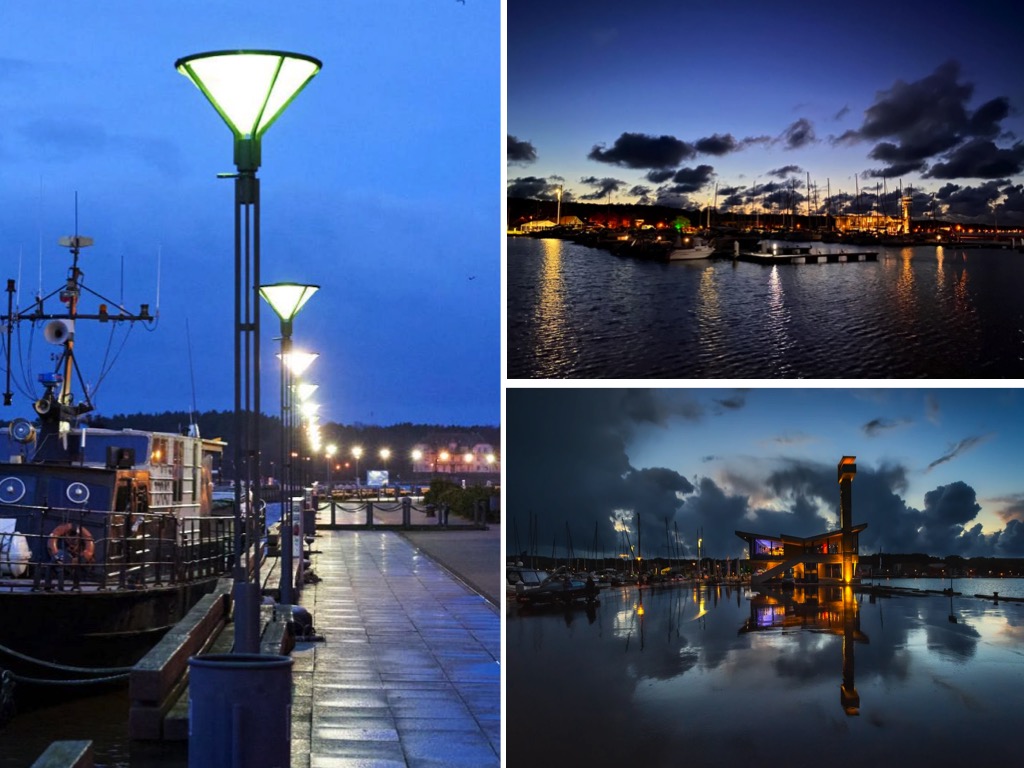
The harbour remains one of the most pleasantly illuminated places, with a few moored boats, benches facing the water and sometimes a little soft music drifting from a café that is still open.
The lagoon waterfront is a delightful place for a quiet stroll, accompanied by the rustling reeds, lapping water and occasional calls of nocturnal birds. The pedestrian promenade beside the lagoon is well lit enough to feel comfortable without disturbing its intimate atmosphere.
The heart of Nida
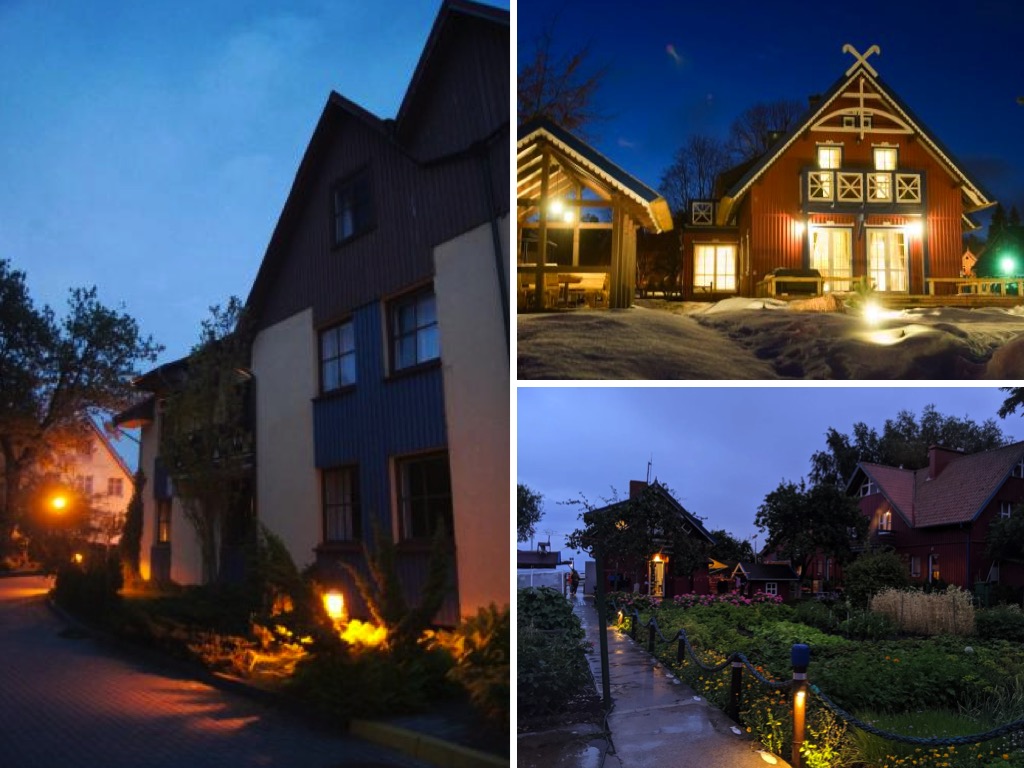
As daylight fades, the lanes of Nida darken gracefully, revealing a few softly glowing street lamps, gently illuminated windows and reflections shimmering across the lagoon.
The village centre, with its traditional wooden houses and art galleries sometimes still illuminated after closing, retains a special charm. The main square and the area around the church are extremely peaceful, making them perfect for a slow, almost meditative walk.
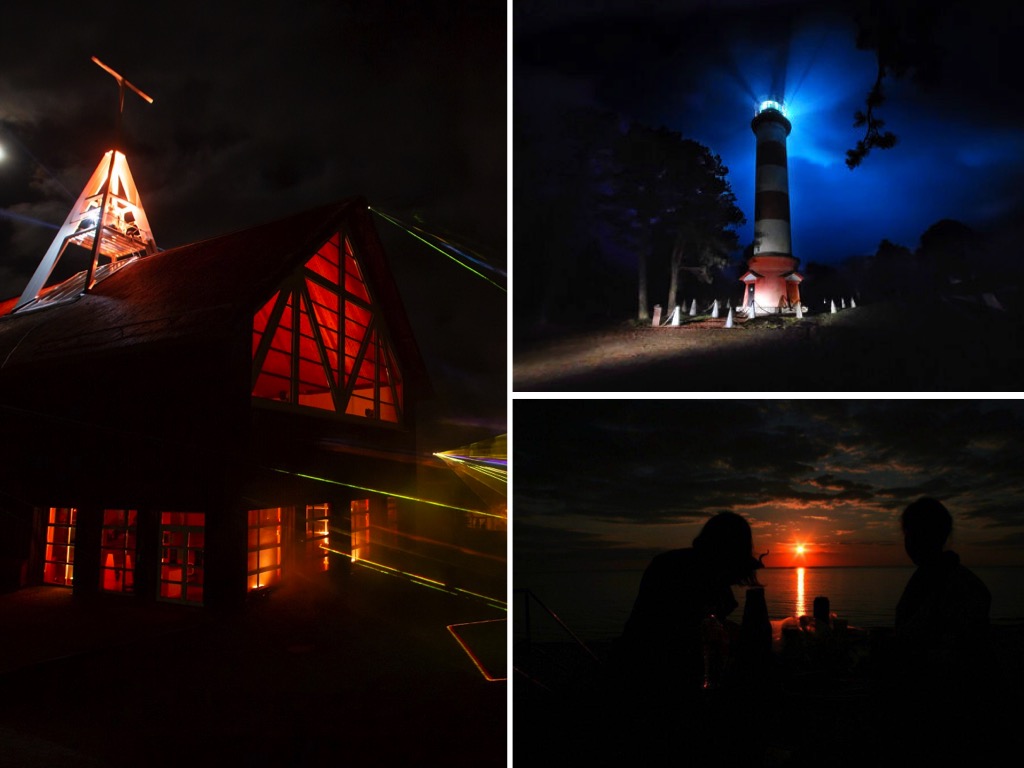
For dreamers and true romantics, the Parnidis Dune at twilight or just after sunset offers a magical view, provided that you return before complete darkness, as the path is not illuminated.
On the Curonian Spit, romance never feels forced. It is simply there, natural and subtle, in the light, the wind and the feeling of being alone together at the edge of the world.
Where can you take a romantic excursion beyond the Curonian Spit?
As magical as it is, the Curonian Spit often forms part of a longer journey, and few couples visit only the spit, with the possible exception of those who choose to celebrate their marriage here.
If you would like to extend your romantic escape, here are a few ideas for complementary day trips or a multi-destination getaway through the Baltic States.
Klaipėda, an urban and maritime stopover just ten minutes away by ferry
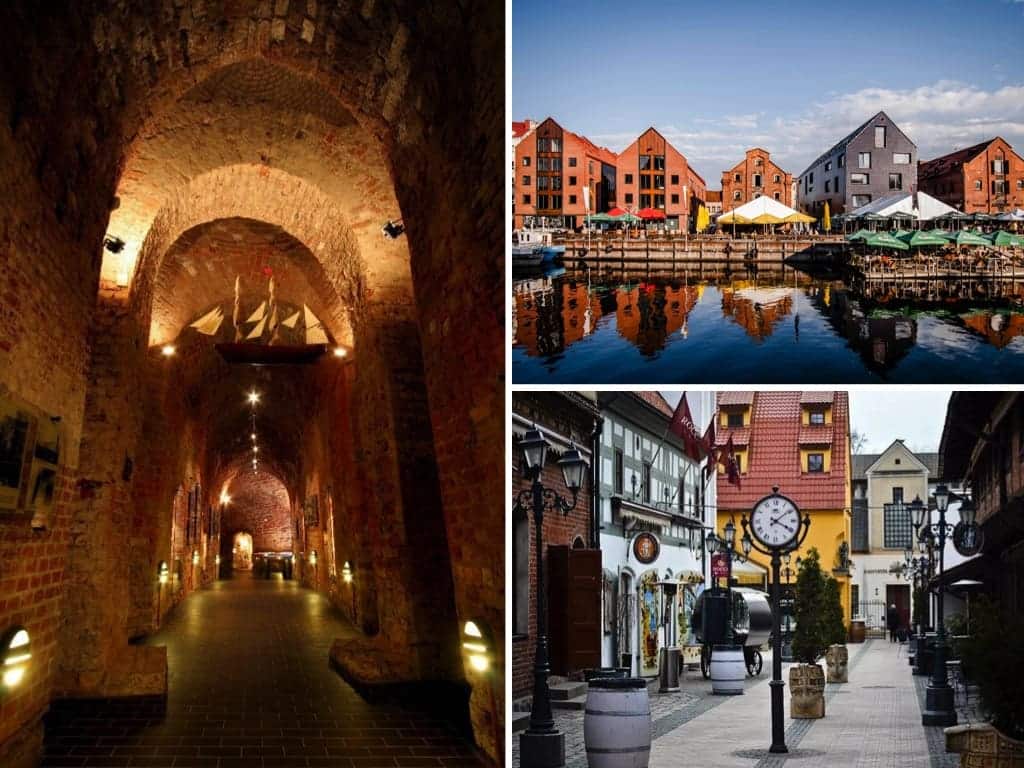
On the opposite side of the lagoon, Klaipėda is a port city with understated charm, filled with half-timbered houses, cobbled squares, bohemian cafés and unusual sculptures hidden throughout the Old Town. For couples, it makes a delightful city stop: enjoy brunch on a terrace, wander beside the Danė River and perhaps have an intimate dinner in one of the excellent restaurants in the city centre. Klaipėda is also the ideal departure point for setting off on further adventures.
Palanga, Lithuanian seaside elegance, 45 minutes away by road
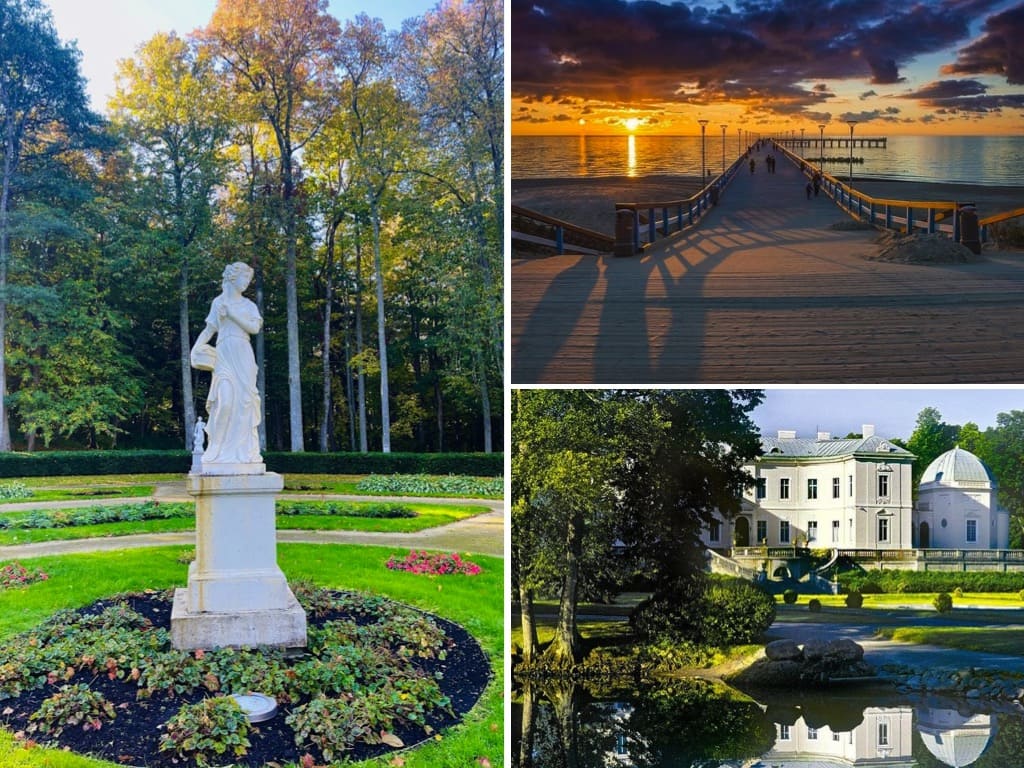
Often nicknamed the “Lithuanian Deauville”, Palanga combines the sea, history and romance. Visit the magnificent Amber Museum, housed in the former Tyszkiewicz Manor, stroll through the Botanical Park, admire the sunset from the pier, or treat yourselves to a couples’ massage in one of the resort’s luxurious spas. The atmosphere is more sophisticated, while still surrounded by pine trees and golden sand.
Vilnius, a Baroque and bohemian capital, four hours away by road or train

Vilnius is a jewel for a romantic and cultural weekend. Its UNESCO-listed Old Town, cobbled streets, Baroque churches, art galleries, cosy rooftop bars and charming places to stay create an atmosphere that is both intellectual and romantic, perfect for a slow city break. If you dream of a medieval or romantic wedding, some couples marry in the Old Town or even in Trakai, beside the lake.
Riga, the breath of another world, five hours away by bus
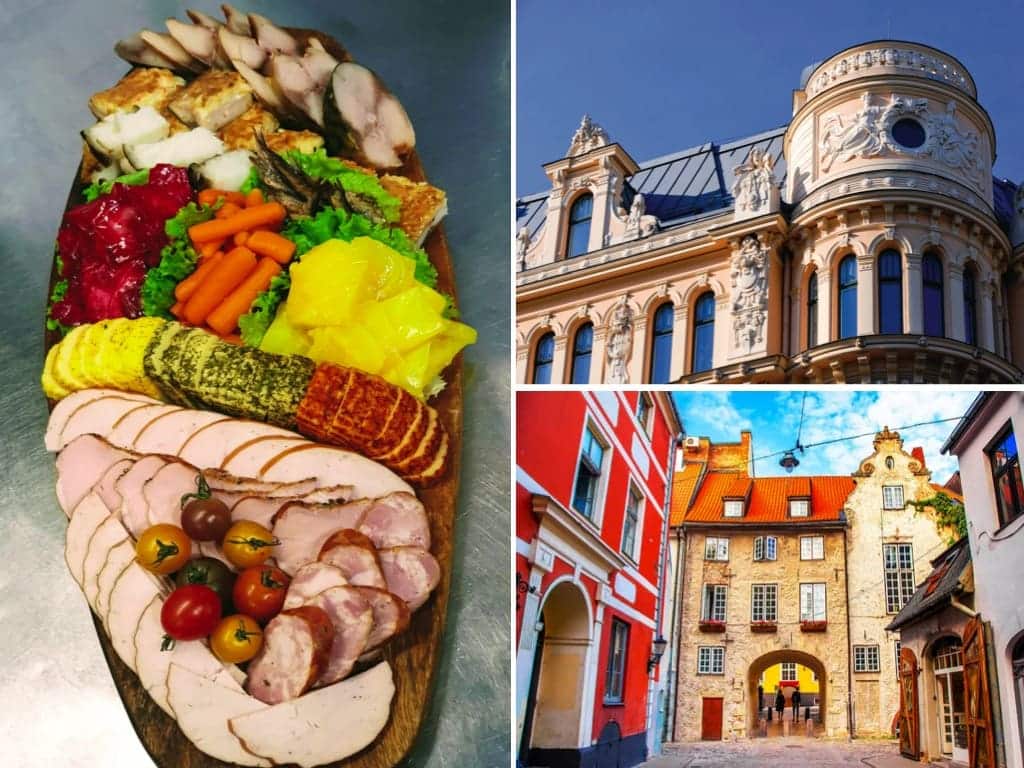
Filled with contrasts, the Latvian capital offers a completely different atmosphere, with Art Nouveau architecture, covered markets, elegant tearooms and boat trips along the Daugava River. Less touristy than Vilnius but equally romantic, Riga is ideal for curious couples who love history and expansive urban landscapes.
The Curonian Spit is unlike any other destination. It is a haven of nature and silence, an interlude between the sky, sand and pine forests, where couples come to reconnect, far away from everything. There are no crowds and no race against time here. Only the sound of the wind, the undulating dunes, the changing light and love finally given the space to breathe.
Whether you are walking beside the lagoon, watching the sun set over the Baltic or spending a gentle night in intimate accommodation, everything invites you to slow down, connect and focus on what truly matters. The Curonian Spit is experienced by looking, walking and holding one another close. It is whispered rather than visited.
If you had to leave with only one memory, it would probably be this: a rare feeling of peace shared together, as though suspended between the sand and the sky.